
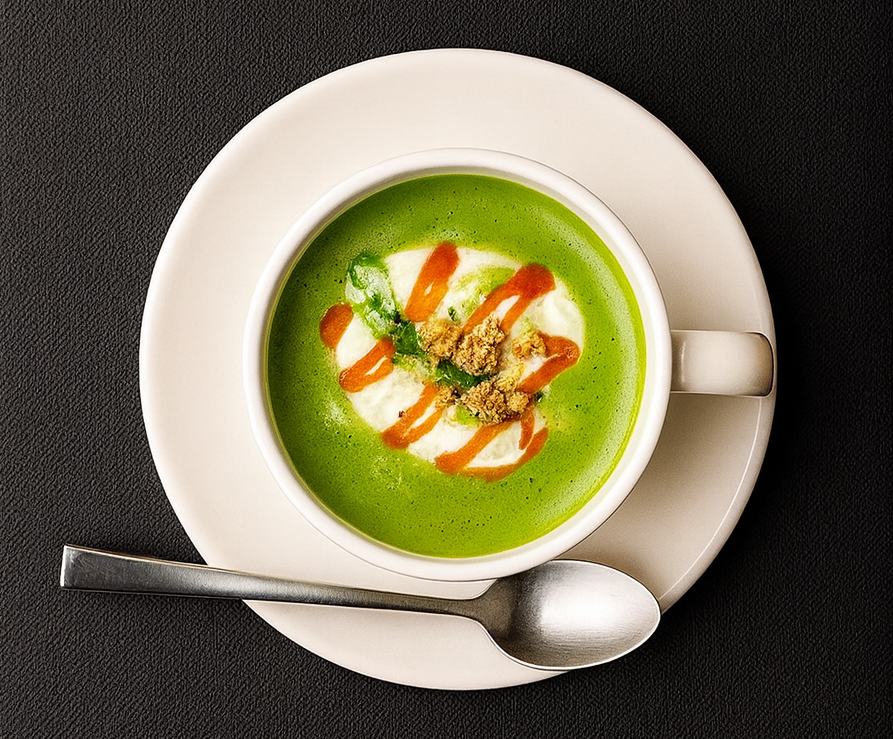
Matcha Flavors
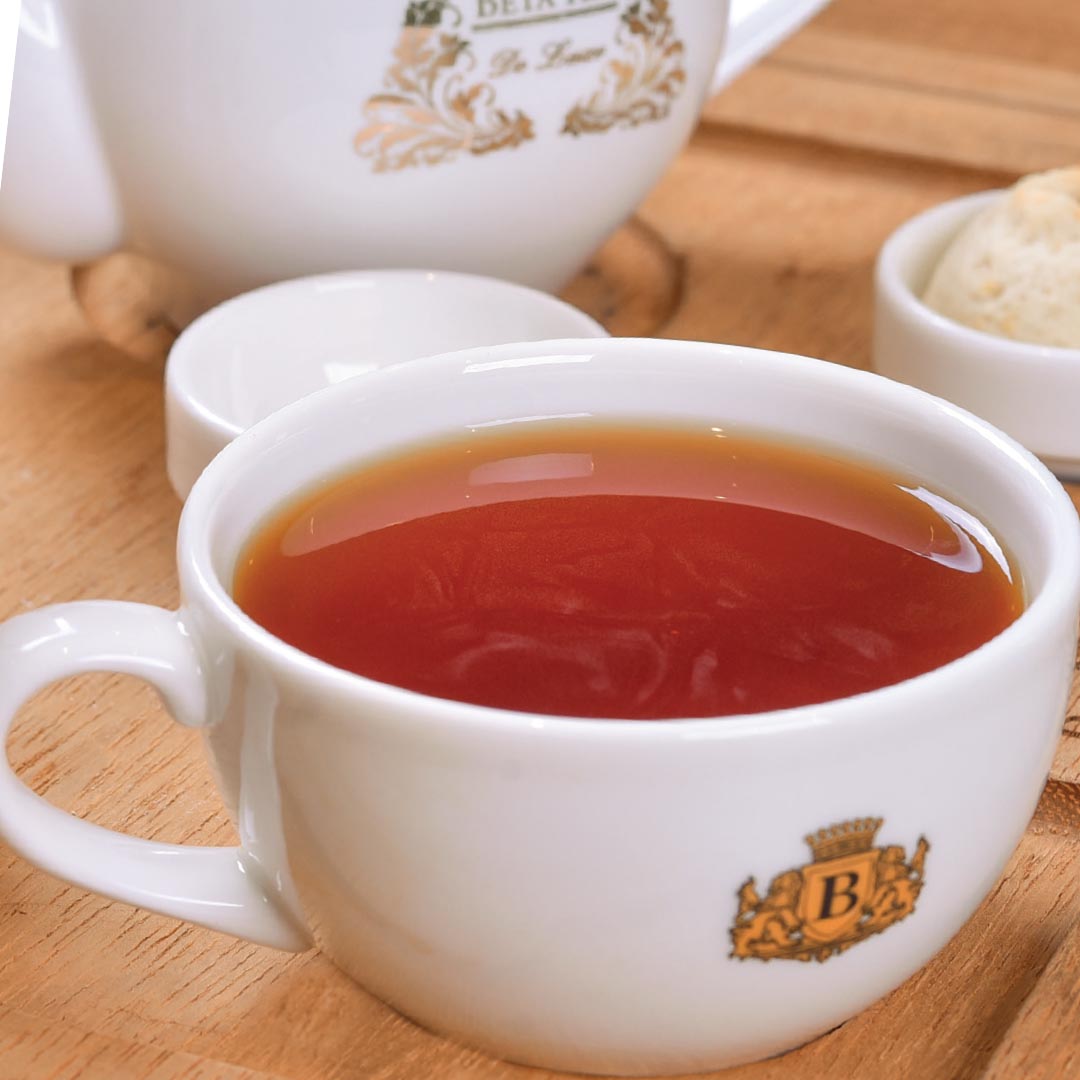
BLACK TEA
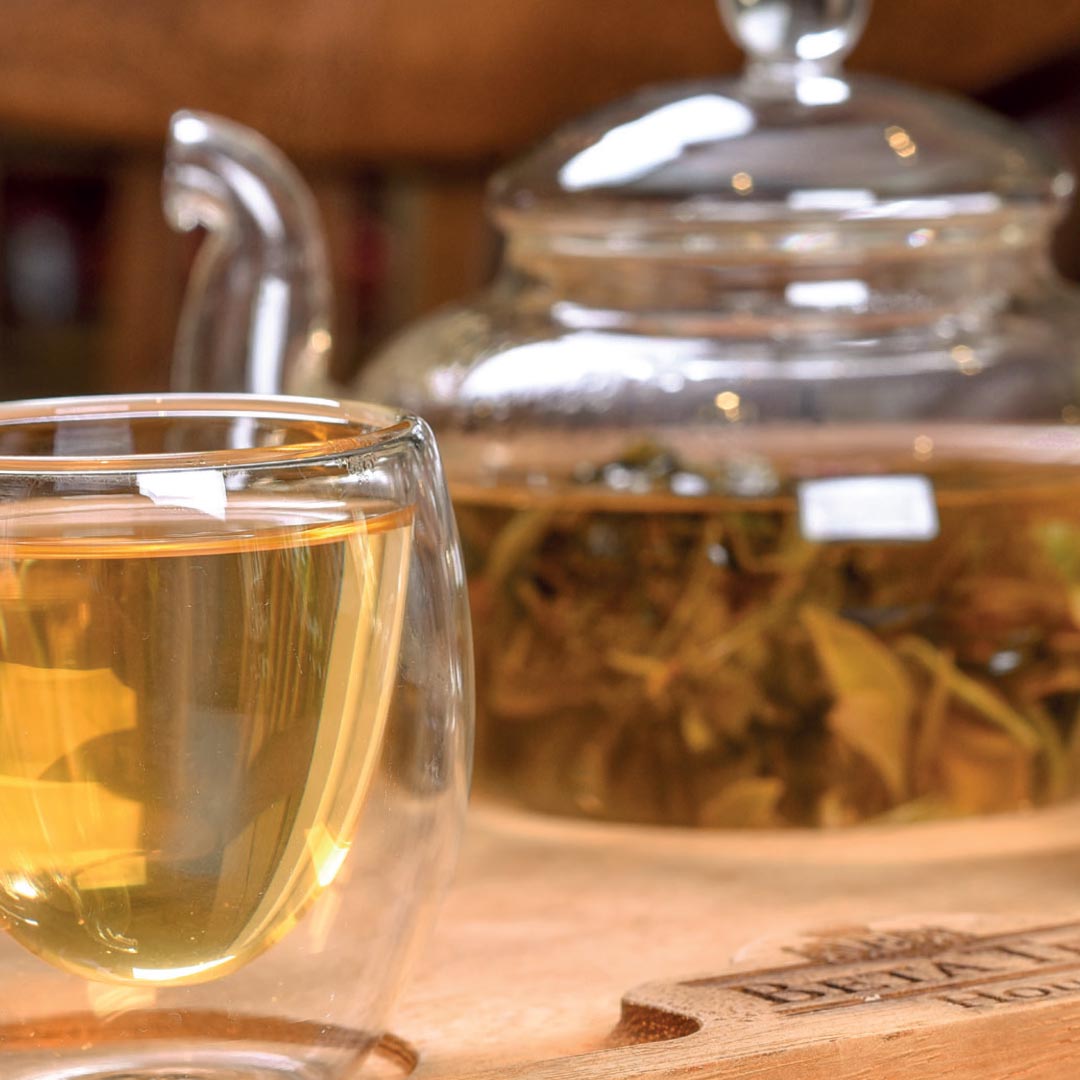
GREEN TEA

OOLONG & WHİTE TEA & YELLOW TEA

ROOIBOS & PU ERH & MATE TEA

HERB AND FRUIT TEA

TURKISH COFFEE
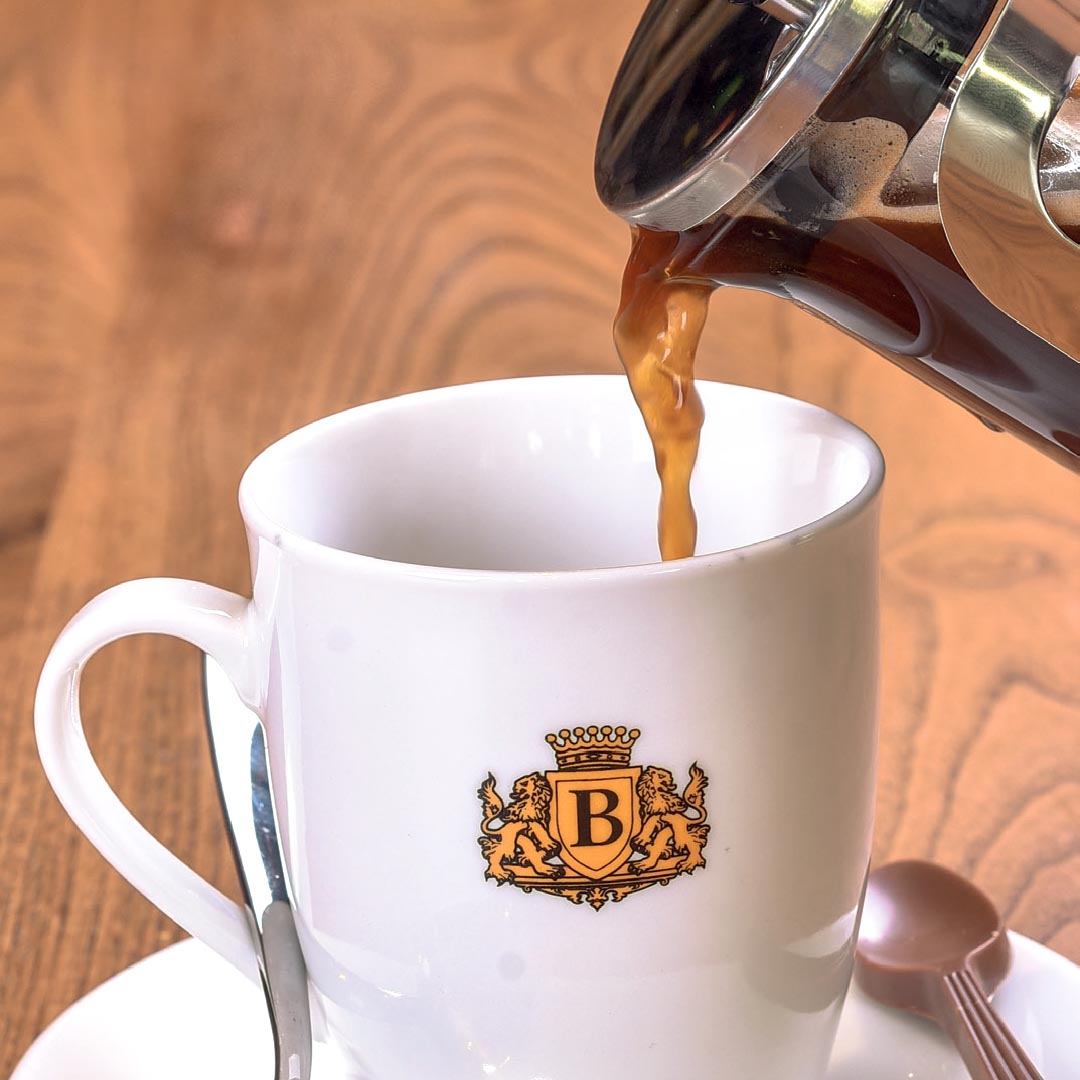
ESPRESSO VE INSTANT COFFEE

FILTER COFFEE

DECAF COFFEE

HOT DRINKS

ICE TEAS AND MOCKTAILS

COLD COFFEE

COLD DRINKS
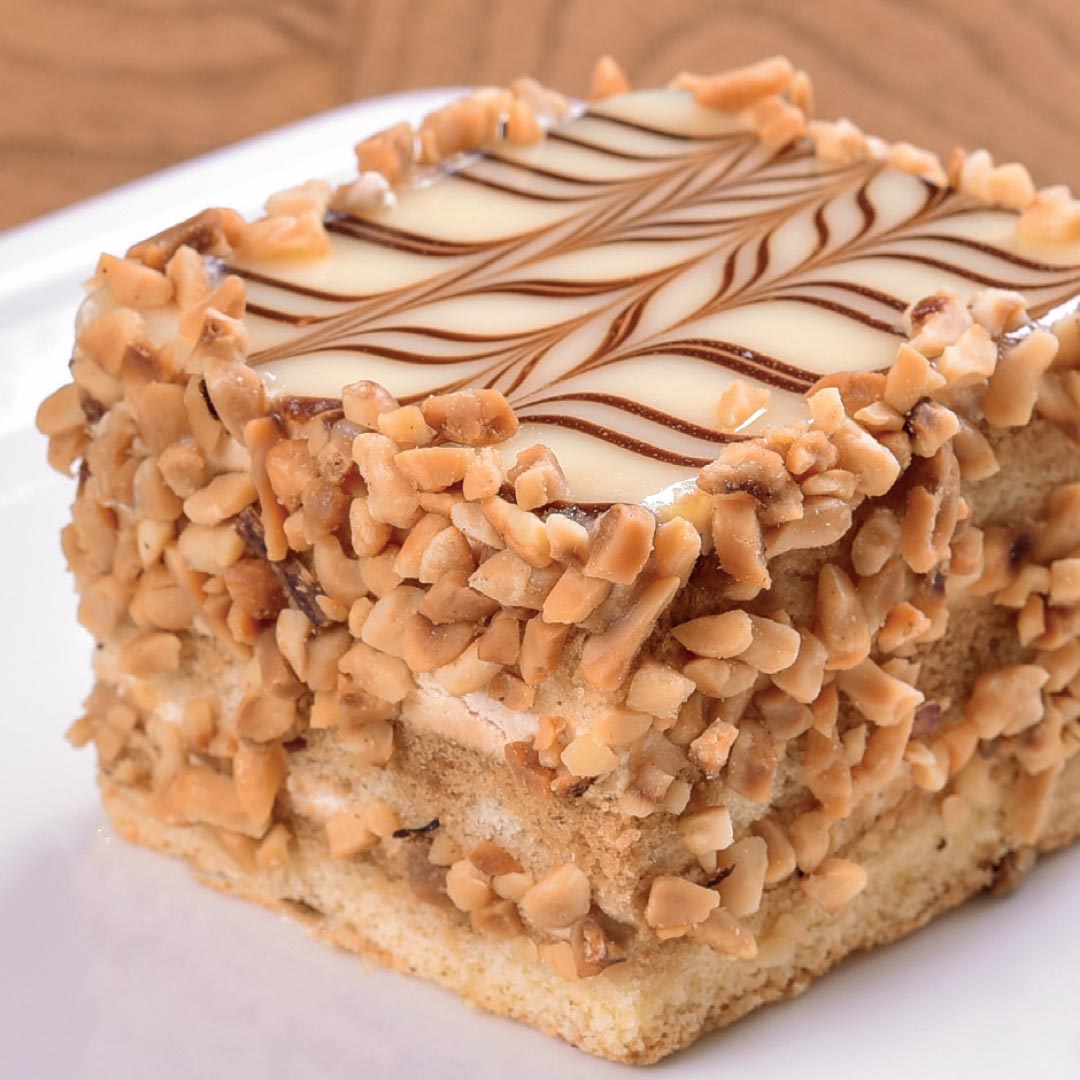
CAKES

CHOCOLATE LOVE

CROISSANT

SALTS / SNACKS

HEALTY SNACKS

ICE CREAM

BREAKFAST
Tea carefully prepared by Beta Tea Experts
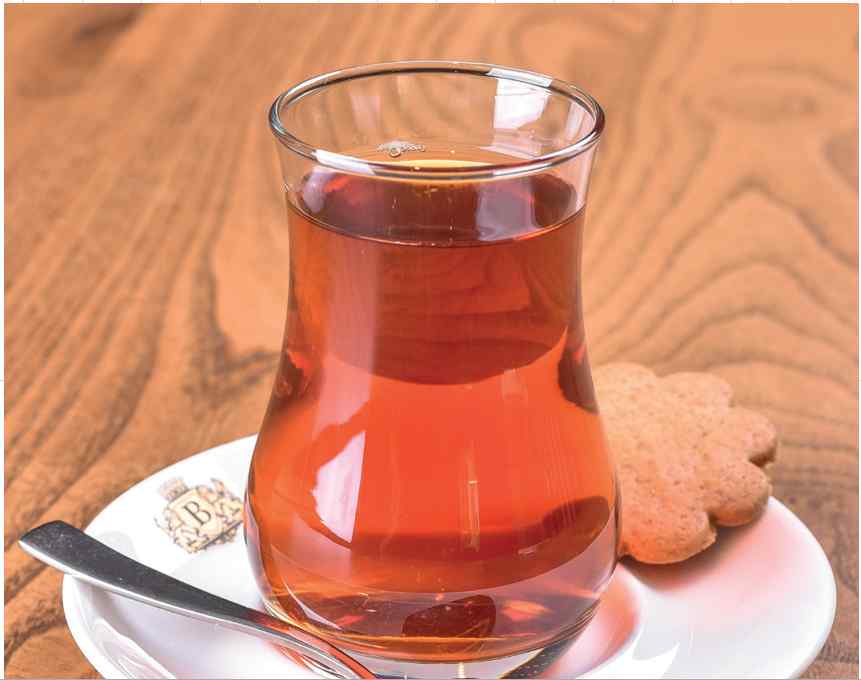
Tea carefully prepared by Beta Tea experts
.jpeg)
Medium-dark, bright infusion offers an excellent flavor with a light bergamot flavor. It is also known as 5 tea, and it is lighter in color than other products, but it has a harder drink. It is served in a porcelain teapot.

It is a special blend of teas grown on low and high slopes, formed by blending the best teas. It is served in a porcelain teapot.
It is a classic, strong and full-bodied blend with its full of flavour , brightness and strong aroma. It is served in a porcelain teapot.
It is the tea of the Nuwera Eliya Region, where Sri Lanka's teas with the highest natural flavor are grown. It is served in a porcelain teapot.
It is the tea of the UVA region, which grows at an altitude of 1200 meters in Sri Lanka, where its aroma reaches its peak with the monsoon rains. It is served in a porcelain teapot.
It is formed by drying the collected tea leaves in pine fire with traditional methods and is also known as "smoked tea". It is served in a clay teapot.
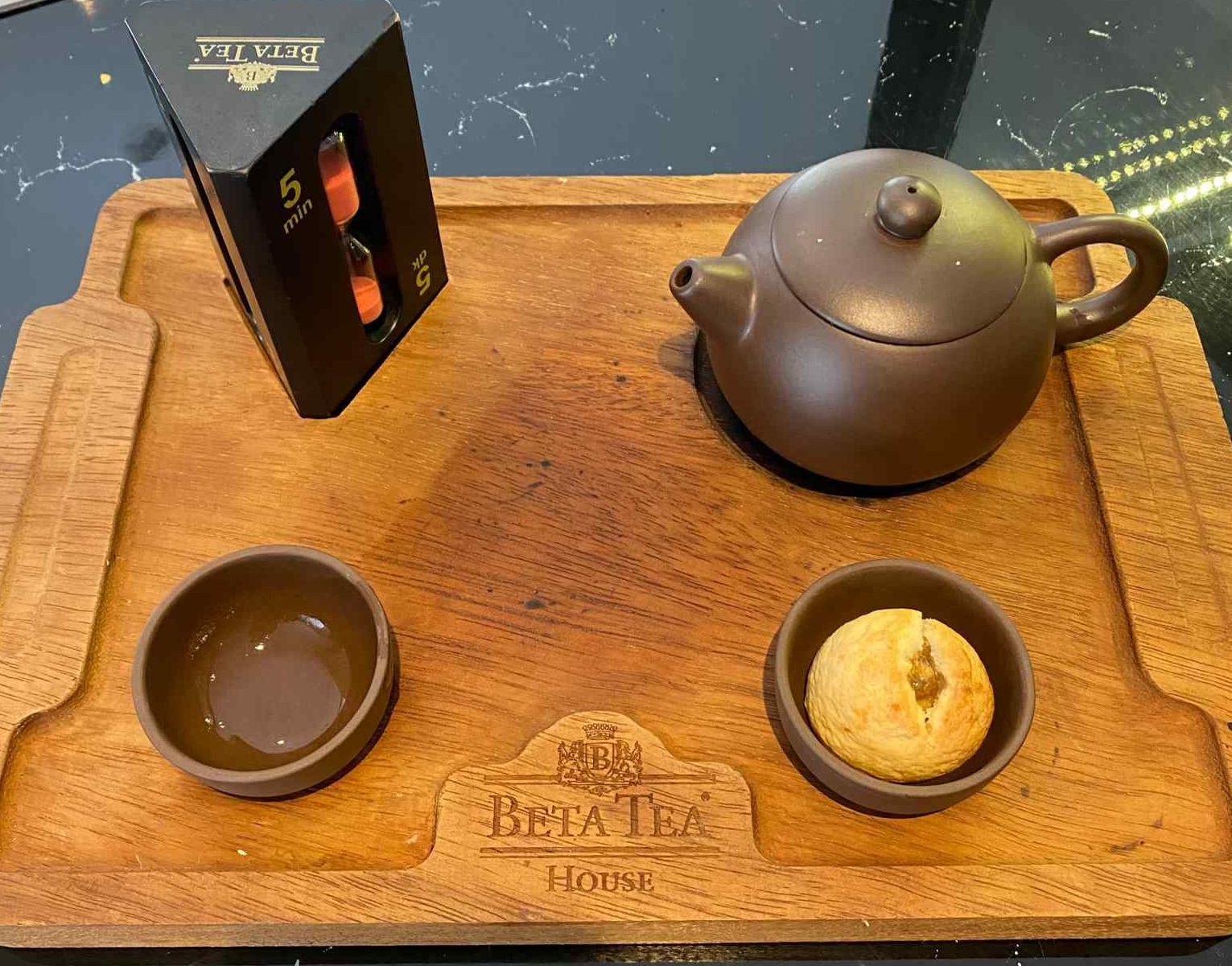
Keemun tea, which has a secret oak, chocolate and sooty flavor, is a very enjoyable tea to drink. It is served in a porcelain teapot.
It's offer a different taste with its bright medium brew, astringent and biscuity flavor depending on the growing area. It is served in a porcelain teapot. It can be served by adding milk.
It is a unique tea with a strong, astringent taste, bright and dark infusion, produced from the leaves grown in the green fertile soil of the Brahmaputra valley of Assam in the north-east of India. It is served in a porcelain teapot.
It offers a unique flavor with its hard, acrid taste, bright dark brew, rich aroma that is unmatched by Assam and the full taste it leaves on the palate. It is served in a porcelain teapot.
Darjeeling tea, which grows at the foothills of the Himalayan Mountains, offers a different tea pleasure with its unique "Muscatel" flavor and clear edmi. It is served in a porcelain teapot.
The most special Darjeeling tea, grown at the foothills of the Himalayan Mountains, offers a different tea pleasure with its intense "Muscatel" flavor and clear brew. It is served in a porcelain teapot.
Rwandan tea, which has the highest aroma among East African teas, makes a difference on the palate with its bright medium-dark infusion and intense aroma. It is served in a porcelain teapot. It can be served by adding milk.
It is a tea with an intense aroma and produced from the leaves grown on the eastern slopes of Kenya, which receives monsoon rains. It is served in a porcelain teapot. It can be served by adding milk.
A magnificent flavor consisting of a mixture of orange peels and orange flavor and teas prepared by Beta experts. Served in cast iron teapot.

Special tea formed by the combination of rosehip particles of Beta blend teas, lemongrass, apple and cornflowers, and raspberry and strawberry aromas. Served in cast iron teapot.
The refreshing taste of Beta blend teas combined with different citrus flavors. Served in cast iron teapot.
It is a special blend of plant and fruit particles enriched with intense orange and vanilla flavor.
In this blend where tea meets love, heart candies, strawberry and cream flavors come together. Served in cast iron teapot.
The flavor formed by the combination of specially blended teas with orange particles and peach flavor. It is served in cast iron teapot.
A wonderful taste created by the combination of carefully selected Beta blend teas and cornflower, orange and peach blossoms, lemongrass and dried apple particles. Served in cast iron teapot.
Specially prepared for the winter months, black tea comes together with cinnamon bark, clove particles and cinnamon aroma to offer a pleasant drink. Served in cast iron teapot.
You can find the mystical atmosphere of India in this tea, which consists of a blend of Assam tea with cardamom, ginger, turmeric, galangal, black pepper, cinnamon and vanilla aroma. Served in cast iron teapot.
Tea with bergamot carefully prepared by Beta Tea House Experts. It is served in a porcelain teapot.

Bilgilendirme
Kategori Hakkında Bilgi
Siyah çayın kökenleri Çayın Çin menşeli olduğu kabul edilir. Ancak Doğu toplumunda popüler hale gelen ve bugün hala orada çay kültürünün temeli olan narin, taze tadı olan yeşil çaydır. Çay kültürü yayıldıkça ve çay, bölgelerin, komşu ülkelerin ve nihayetinde okyanusların ötesine ticaret için işlendiğinden, daha fazla oksitlenmiş siyah çayın, tazeliğini ve lezzetini uzun yolculuklarda minimal düzeyde oksitlenmiş yeşil çay kuzeninden daha iyi koruduğu keşfedildi. Çin, Tibet ve diğer komşu ülkeler arasındaki sınır ticaretinin ilk günlerinde çay, para birimi olarak kullanılmak üzere fermente edildi, kurutuldu ve tuğla haline getirildi. Bugüne kadar Çin'de üretilen siyah çayın çoğu ülke dışına ihraç edilmektedir. Hollandalılar çayı ilk olarak 1610'da Avrupa'ya getirdi, 1658'de İngiltere'ye geldi ve ardından 1700'ler boyunca İngiltere'nin Amerikan kolonilerinde popülerlik kazandı. İngiltere'nin Karayip kolonilerinden şeker ithalatını artırmasıyla 1700'lerde çay talebi büyük sıçramalar yaşadı. 1800'e gelindiğinde, İngilizler kişi başına yılda 2,5 kilo çay ve 17 kilo şeker tüketiyordu. Bazıları, daha hassas yeşil çay ithalatına kıyasla güçlü siyah çay talebini artıranın çaya şeker ekleme eğilimi olduğunu iddia ediyor. Siyah çay üretiminde bir sonraki sıçrama, 1800'lerde Camellia sinensis assamica çay bitkisi çeşidinin 1823'te Hindistan'ın Assam bölgesinde keşfedilmesiyle geldi. Bu yerli çeşit, yoğun talep gören doyurucu, cesur siyah çayların üretimine çok daha uygundu. Kısa bir süre sonra, 1835'te İngilizler, Hindistan'ın Nepal yakınlarındaki Darjeeling bölgesinde çay bahçeleri dikmeye başladılar. Hindistan bir İngiliz kolonisi olduğundan, bu farklı siyah çay çeşitleri hızla İngiltere'ye ihraç edilen popüler ürünler haline geldi.
 Our meals and drinks in our menu may contain the following allergen products:
Milk and dairy products (including lactose), eggs and egg products, sesame seeds and sesame seed products, walnuts, hazelnuts, peanuts and peanut products, cashews, pistachios, celery, mustard and mustard products, sulphur dioxide and sulphites.
Warning: Babies under 1 year of age should not be fed honey.
