
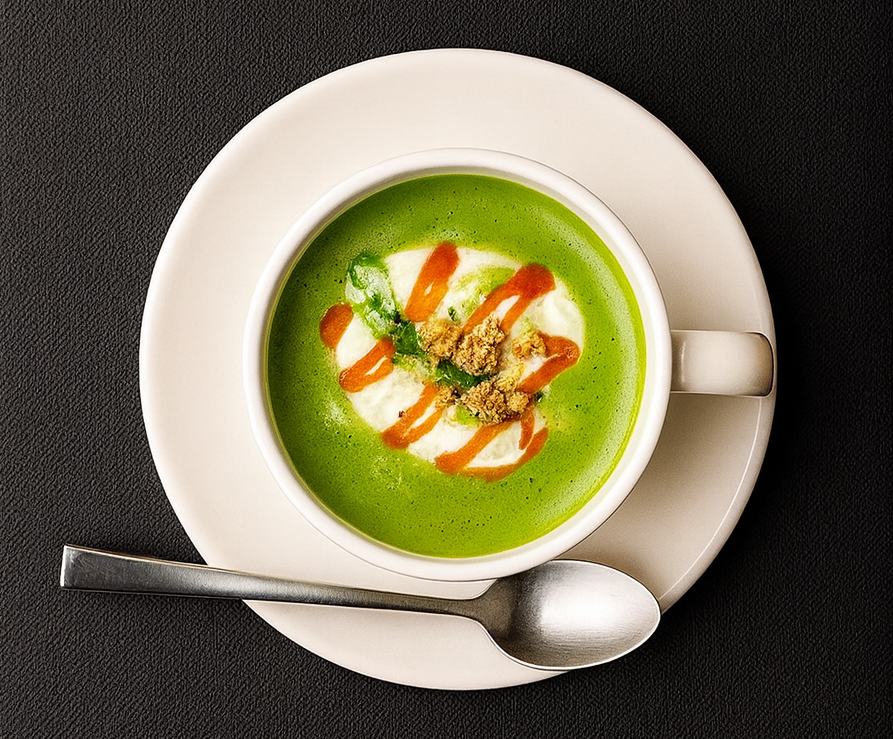
Matcha Flavors
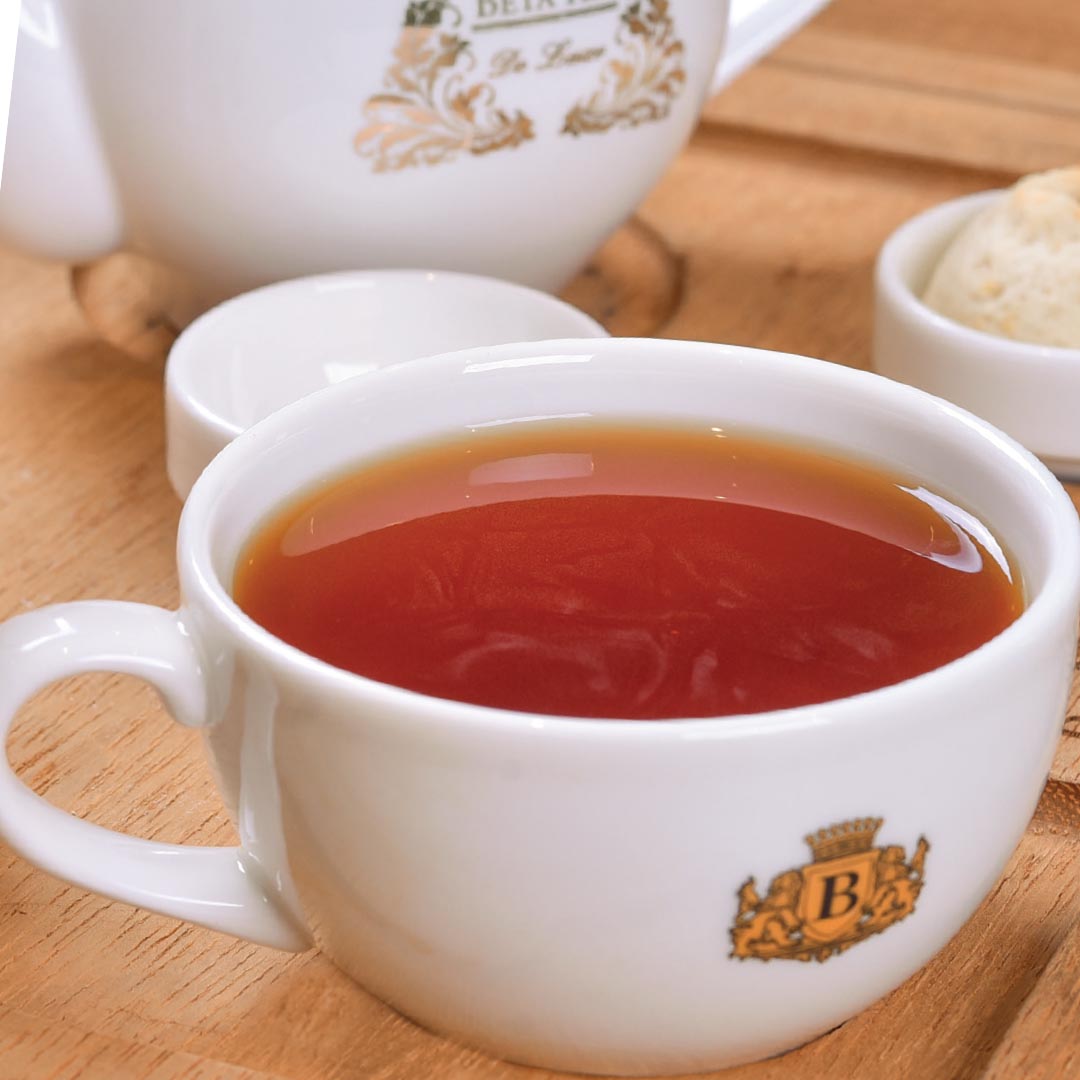
BLACK TEA
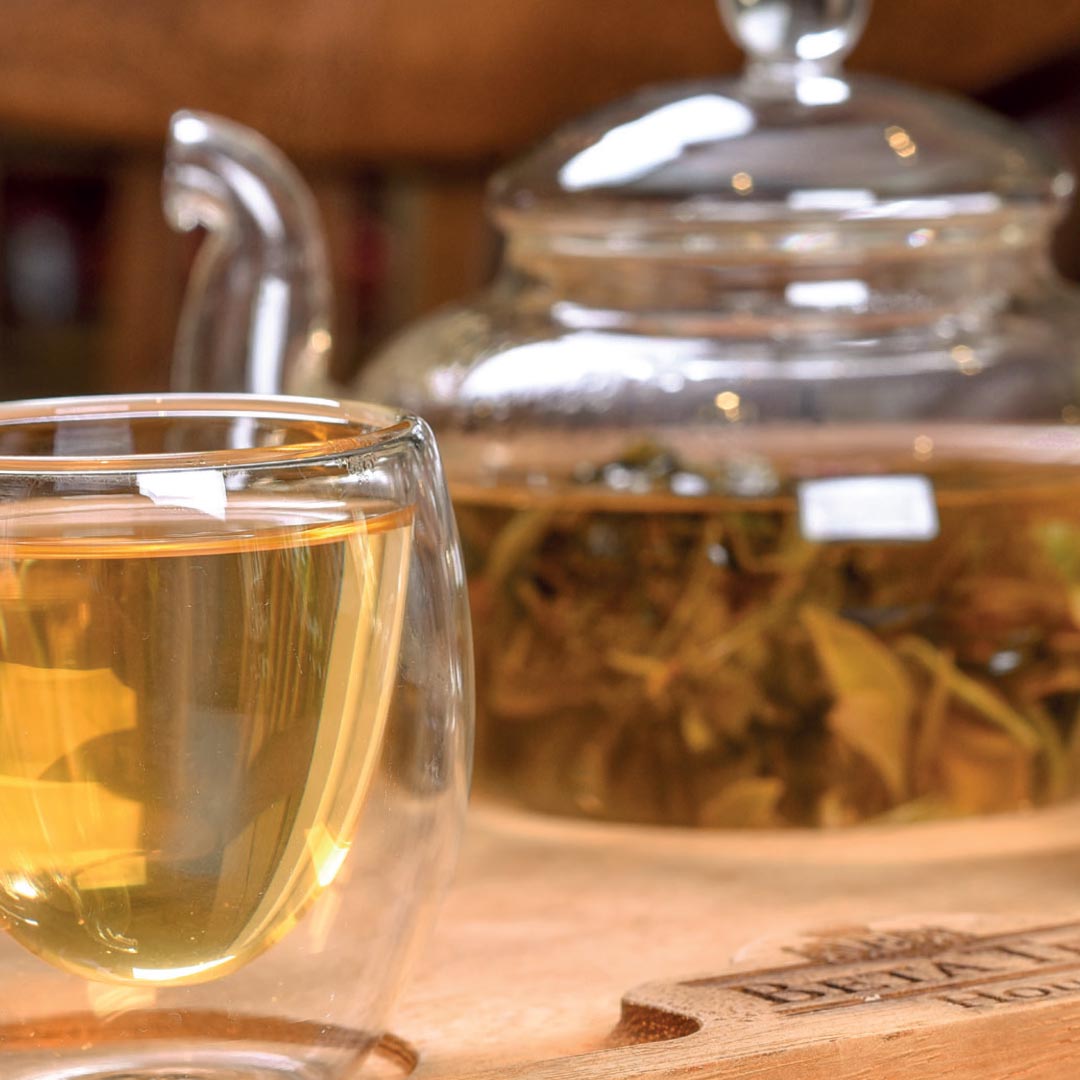
GREEN TEA

OOLONG & WHİTE TEA & YELLOW TEA

ROOIBOS & PU ERH & MATE TEA

HERB AND FRUIT TEA

TURKISH COFFEE
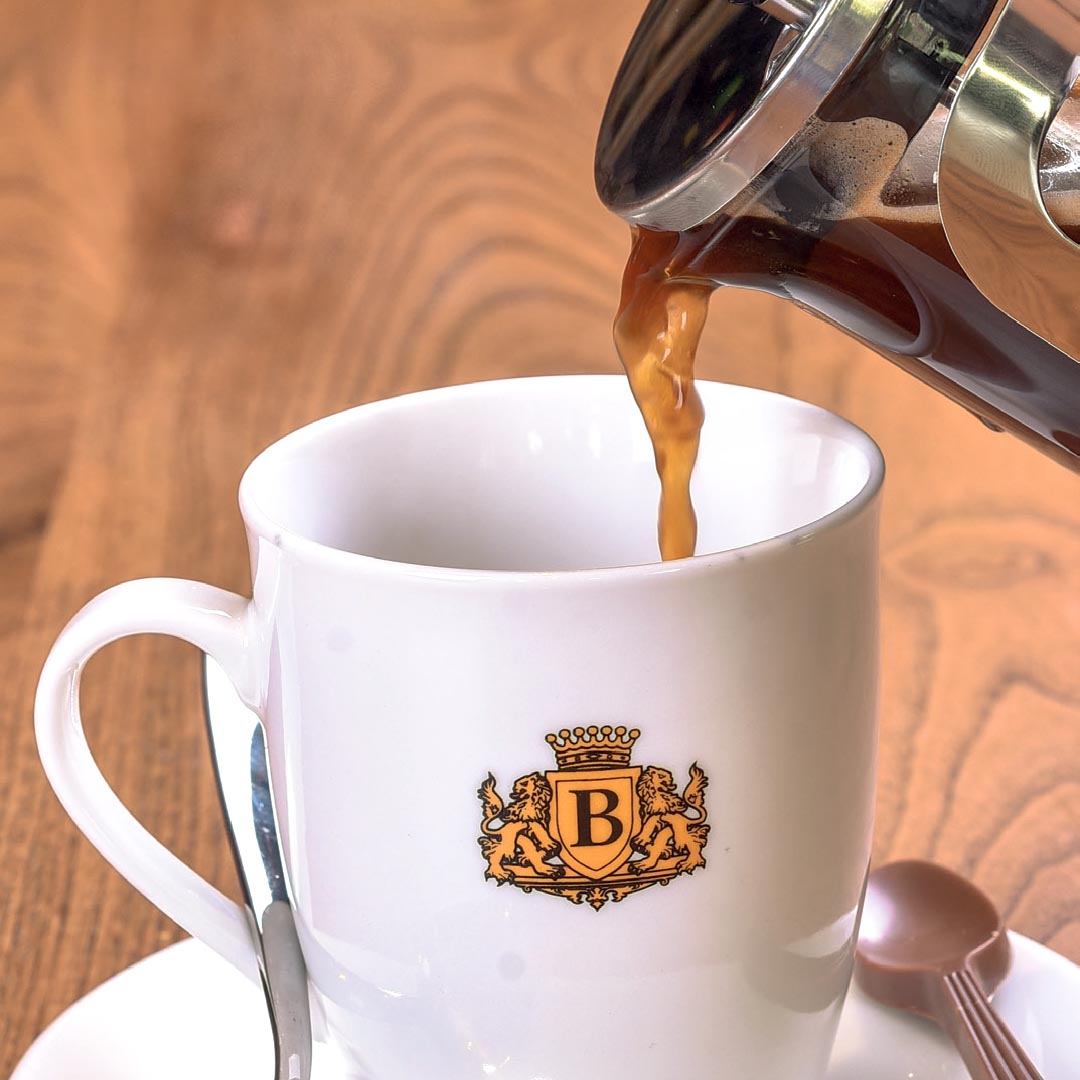
ESPRESSO VE INSTANT COFFEE

FILTER COFFEE

DECAF COFFEE

HOT DRINKS

ICE TEAS AND MOCKTAILS

COLD COFFEE

COLD DRINKS
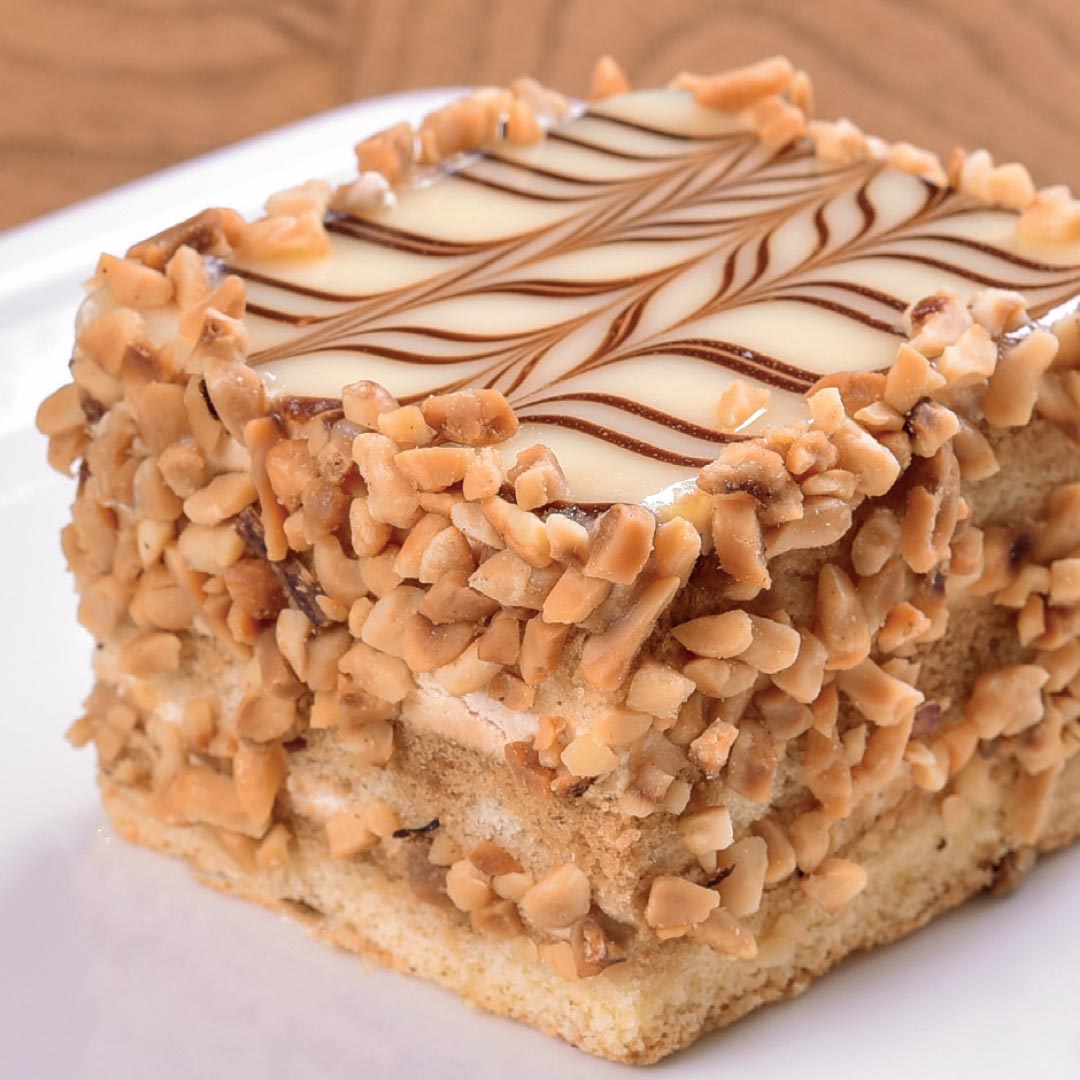
CAKES

CHOCOLATE LOVE

CROISSANT

SALTS / SNACKS

HEALTY SNACKS

ICE CREAM

BREAKFAST
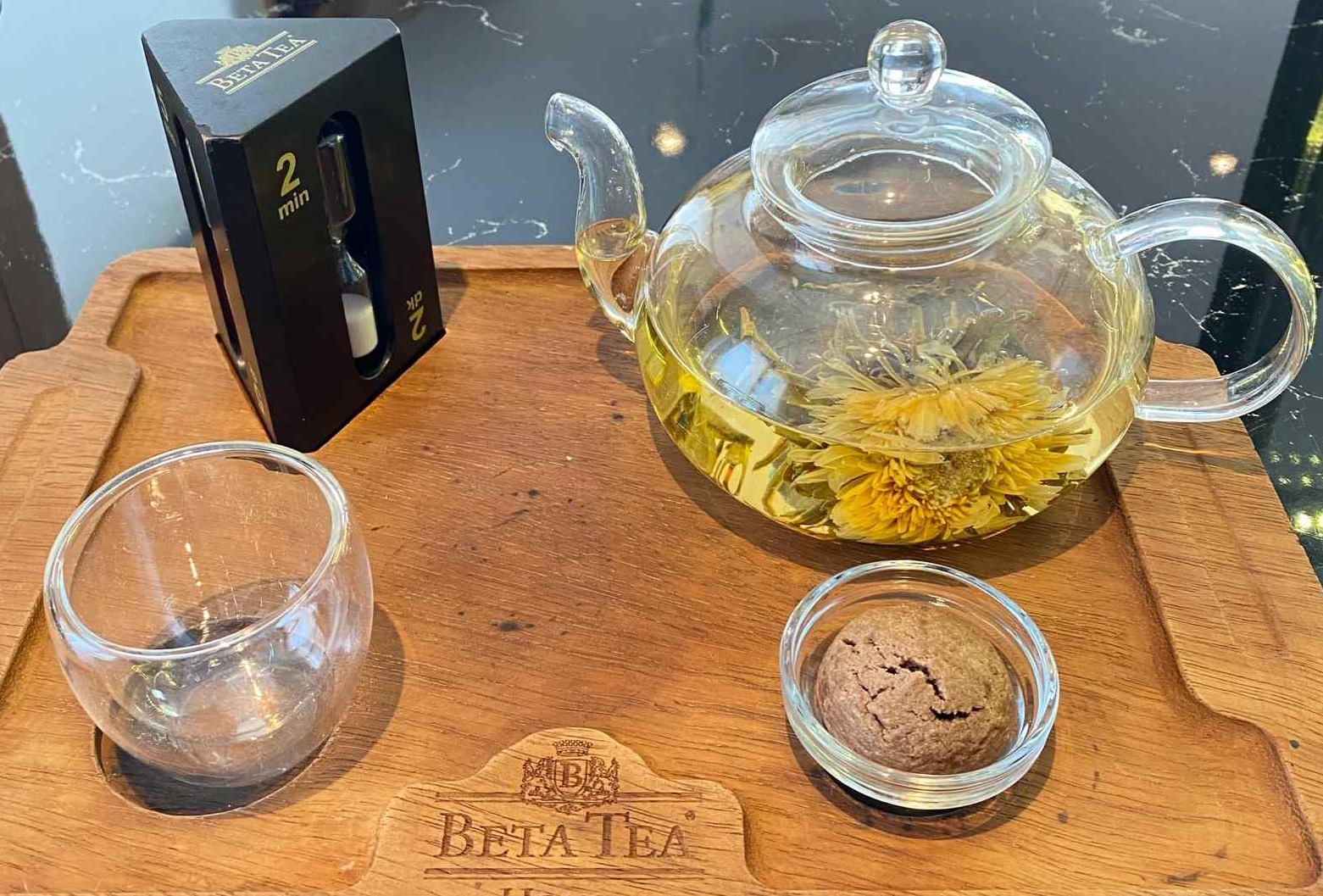
The highest quality tea leaves are hand-picked and rolled in China to take the shape of pearls, as the name suggests. It gets its intense floral taste and scent from fresh jasmine flowers collected in the season. It is recommended to be consumed without added sugar. It is served in a glass teapot.

It is Organic Sencha tea produced from organic leaves and has an intense taste. It is recommended to be consumed without added sugar. Served in cast iron teapot.
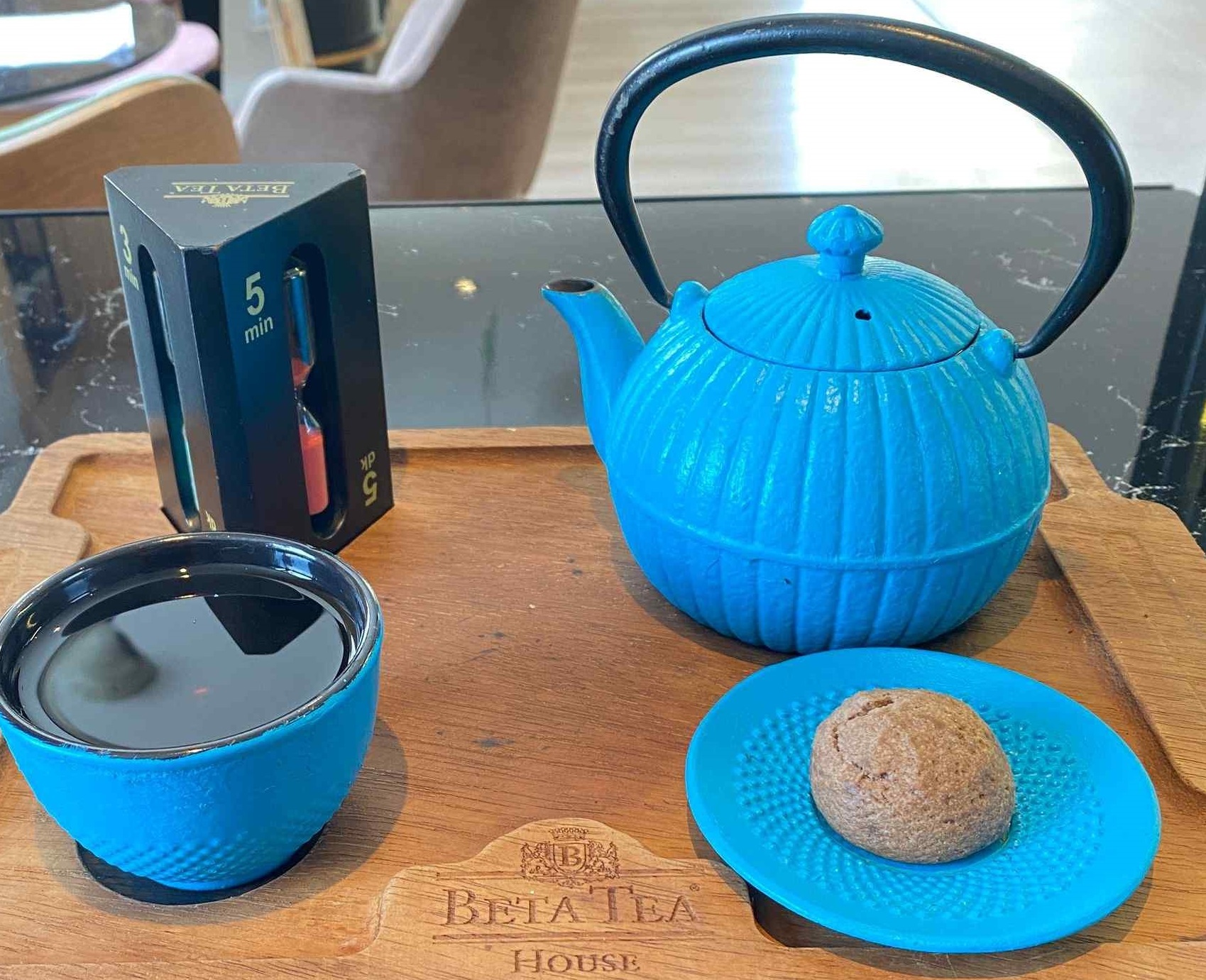
It is Organic Chunmee tea, which is produced from organic leaves and has an intense taste. It is recommended to be consumed without added sugar. Served in cast iron teapot.
Green tea flavored with jasmine flowers collected in the season offers natural drinking pleasure. It is recommended to be consumed without added sugar. Served in cast iron teapot.
The leaves collected in mid-April have a light green infusion color and offer a very soft drink. It is recommended to be consumed without added sugar. Served in cast iron teapot.
It is produced from leaves collected from the slopes of Lushan Mountain in China and flavored with blackcurrant. Green tea with an intense aroma and a bright and green brew. It is recommended to be consumed without added sugar. Served in cast iron teapot.
Dark green leaf color, light green infusion color offers a very soft drink. It is recommended to be consumed without added sugar. Served in cast iron teapot.
It is among the classic green teas of the world due to its strong and slightly bitter taste. It is recommended to be consumed without added sugar. Served in cast iron teapot.
Sencha is obtained by steaming carefully picked tea leaves for 15-20 seconds and then curling, heating and drying. It is recommended to be consumed without added sugar. Served in cast iron teapot.
It is produced by tying green tea leaves together by hand with silk thread. It offers a unique tea pleasure with its very light, sweet and soft taste. It is recommended to be consumed without added sugar. It is served in a glass teapot.
It consists of the leaves of "Sencha", a special tea variety of Japan, meeting the sweetish aroma from naturally roasted brown rice. It is recommended to be consumed without added sugar.
It is green tea obtained from the tea leaves collected in the mornings of the first two weeks of the season from the slopes of the Wuyi Mountains of China. It is recommended to be consumed without added sugar. Served in cast iron teapot.
It is a tea made of tea leaves that are meticulously ground into powder with a hand grinder. It is recommended to be consumed without added sugar. It is served in a cup.

Tea plants, which grow on Dong Ting mountain of Tai hu, China, are grown among sweet-smelling fruit trees. Thus, it carries the scents of fruit and flower-flavored tea. It is recommended to be consumed without added sugar. Served in cast iron teapot.
It contains the rich harmony of the refreshing scent of green tea and mint with the aroma of lemon. It is recommended to be consumed without added sugar.
It contains the pleasant harmony of green tea, lemongrass, lemon balm tea with the aroma of blackcurrant. It is recommended to be consumed without added sugar. Served in cast iron teapot.
Green tea, which has a light green brew color, is flavored with Bergamot aroma. It is recommended to be consumed without added sugar. Served in cast iron teapot.
It contains the perfect harmony of the carefully selected green teas of China and mystical spices. It is recommended to be consumed without added sugar. Served in cast iron teapot.
Bilgilendirme
Kategori Hakkında Bilgi
Tüm yeşil çaylar aynı bitki türlerinden elde edilirken, bugün Çin, Japonya, Hindistan, Sri Lanka, Tayvan, Bangladeş, Yeni Zelanda, Hawaii ve hatta Güney Carolina dahil olmak üzere tüm dünyada yetiştirilen ve üretilen farklı yeşil çay türleri vardır. Bununla birlikte, yeşil çayın Çin'de ortaya çıktığı düşünülmektedir. Bugün bile Çin'de "çay" kelimesinin Batı'da olduğu gibi genel çay kategorisini değil, sadece yeşil çayı ifade ettiği söyleniyor. Çin'in Yunnan eyaleti, Camellia sinensis bitki türlerinin orijinal evi olarak kabul edilir. Aslında, dünyanın 380'den fazla çay çeşidinden 260'ı Yunnan'da bulunabilir. Bir popüler efsane, Çin İmparatoru ve Çin tıbbının sözde mucidi Shennong'un, MÖ 2737'de yakındaki bir çay ağacından taze çay yaprakları kaynamış su bardağına düştüğü zaman bir içecek olarak çayı keşfettiğini ileri sürüyor. Diğerleri, çayın keşfi için MÖ 500'lerde ve sonraki yüzyıllarda çeşitli Budistlere atıfta bulunur. Budistler, dinlerini, kültürlerini ve çay ritüellerini yayarak Hindistan ve Çin arasında seyahat ederlerdi. Budist rahipler, Avrupa manastırlarındaki Katolik meslektaşlarının üzüm ve şarapla yaptığı gibi çay yetiştirdi, hasat etti ve üretti. Keşişlerin fiziksel ferahlık, meditasyona yardımcı olmak ve alkolün ikamesi olarak çay içme alışkanlığı, Çin'e yayılan manevi ve sosyal bir uygulamaya dönüştü. Yeşil çayın, Çin'in büyük Budist manastırlarını ve tapınaklarını ziyaret eden ve okuyan bir Zen rahibinin çay bitkisi tohumları ve çalıları ile Japonya'ya döndüğü 1190 civarında Japonya'da popüler hale geldiği iddia ediliyor. Eisai adlı genç rahip, Çin'de çay yetiştirme ve içme deneyimini, kendi Budist rahipler topluluğu içinde bir meditasyon ritüeli olarak çay yolunu popüler hale getirmek için kullandı ve sonunda çay içme geleneğini Japonya'nın geri kalanına yaydı. Bugüne kadar Çin ve Japonya, dünyanın en çok yeşil çay üreten ve ihraç eden iki ülkesidir.
 Our meals and drinks in our menu may contain the following allergen products:
Milk and dairy products (including lactose), eggs and egg products, sesame seeds and sesame seed products, walnuts, hazelnuts, peanuts and peanut products, cashews, pistachios, celery, mustard and mustard products, sulphur dioxide and sulphites.
Warning: Babies under 1 year of age should not be fed honey.
