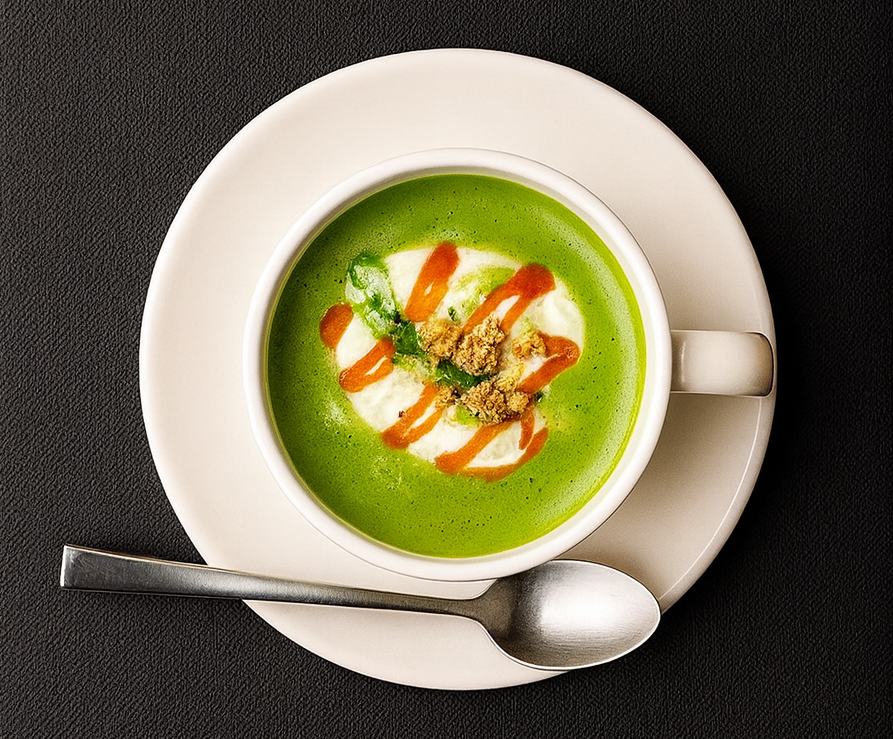
Matcha Flavors
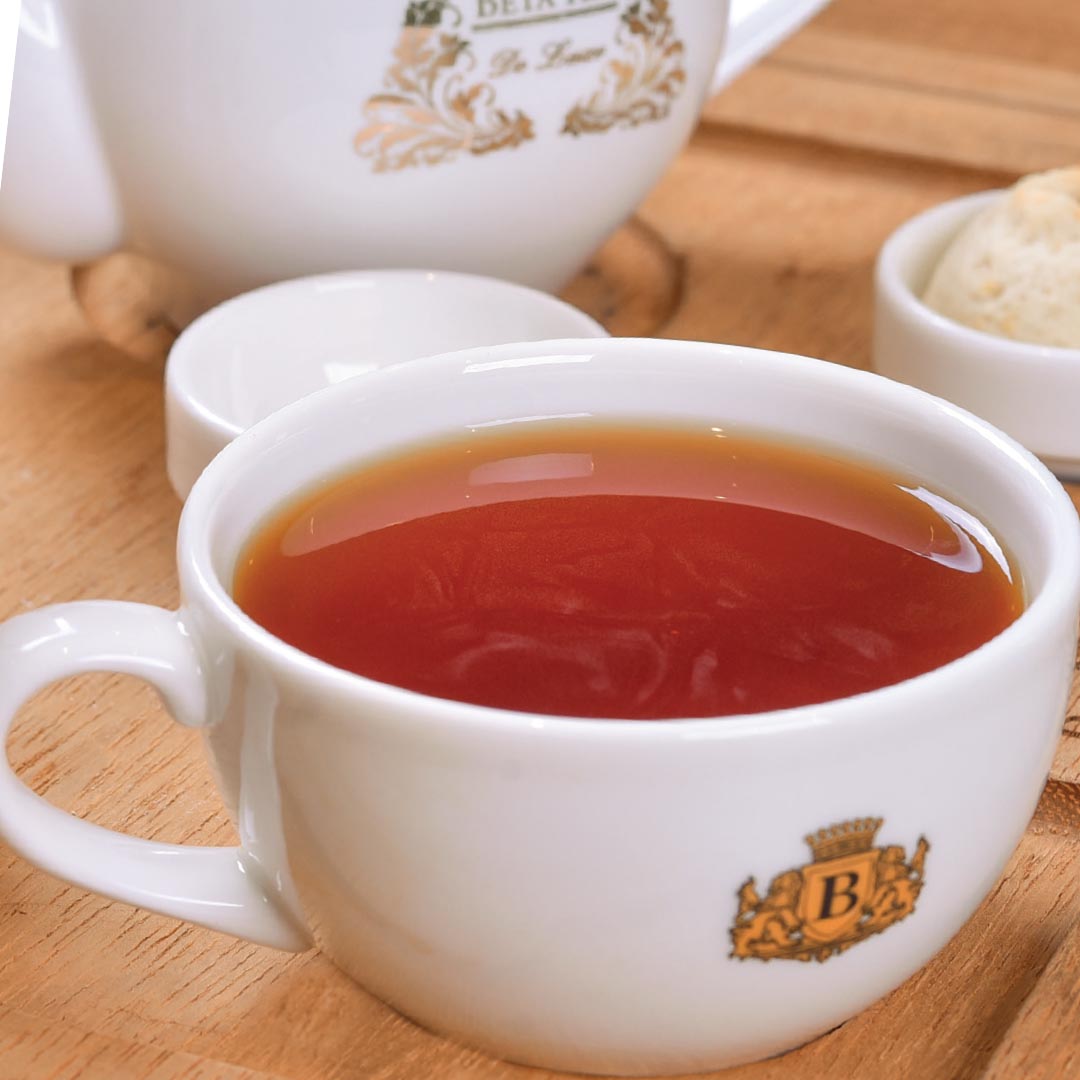
BLACK TEA
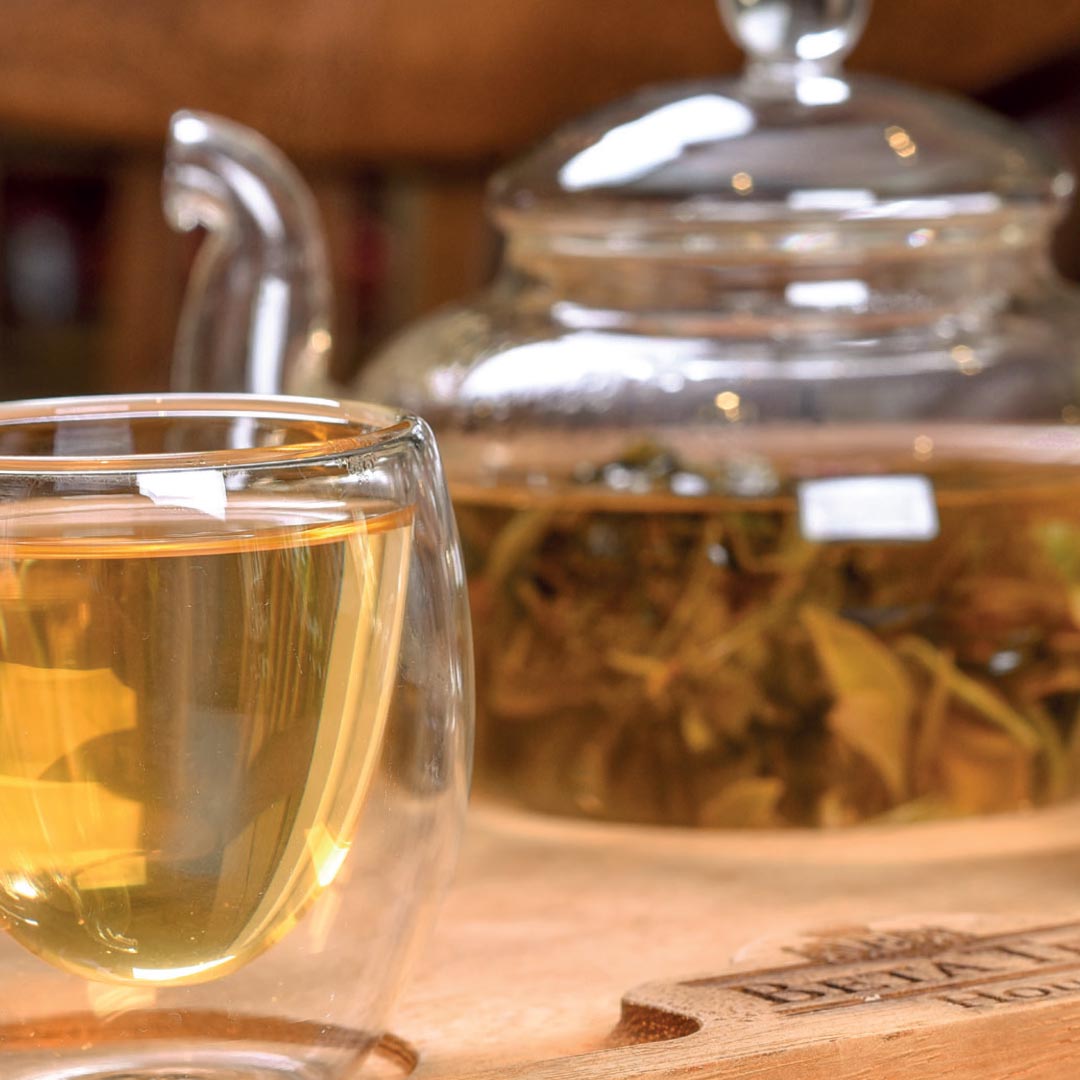
GREEN TEA

OOLONG & WHİTE TEA & YELLOW TEA

ROOIBOS & PU ERH & MATE TEA

HERB AND FRUIT TEA

TURKISH COFFEE
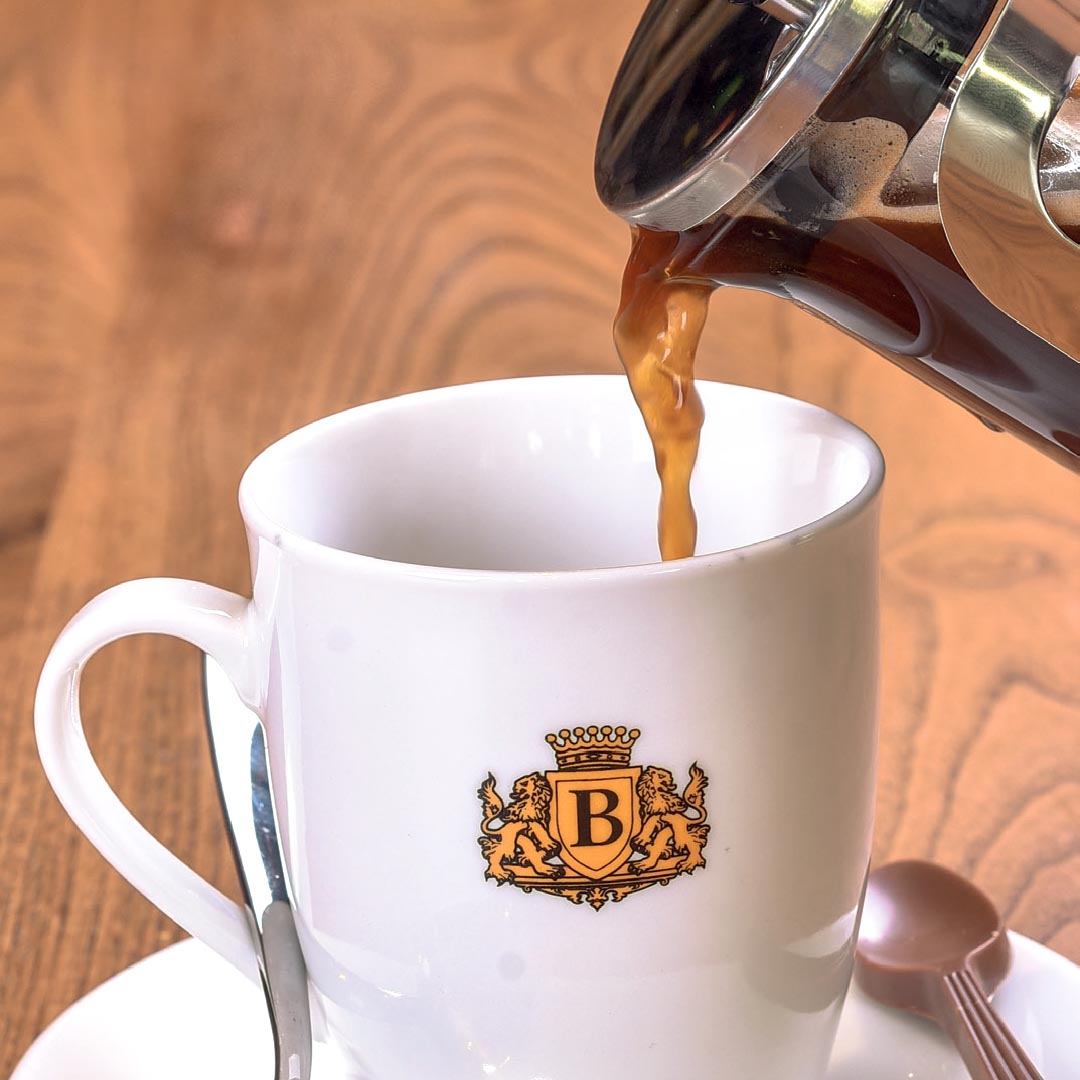
ESPRESSO VE INSTANT COFFEE

FILTER COFFEE

DECAF COFFEE

HOT DRINKS

ICE TEAS AND MOCKTAILS

COLD COFFEE

COLD DRINKS
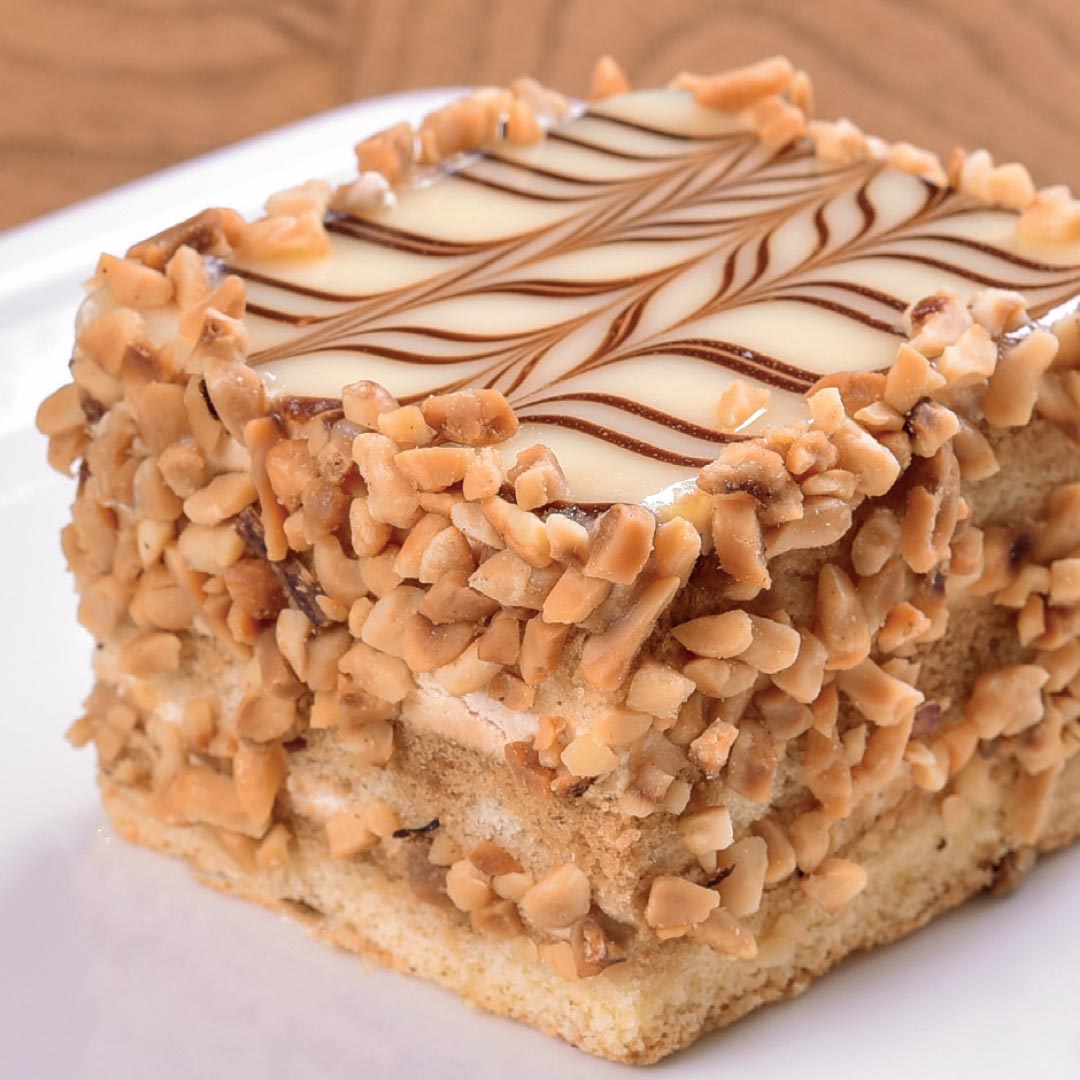
CAKES

CHOCOLATE LOVE

CROISSANT

SALTS / SNACKS

HEALTY SNACKS

ICE CREAM

BREAKFAST
Semi-fermented Oolong tea is a special choice for different tea lovers with its unique brew color and drink. It is recommended to be consumed without added sugar. Served in cast iron teapot.
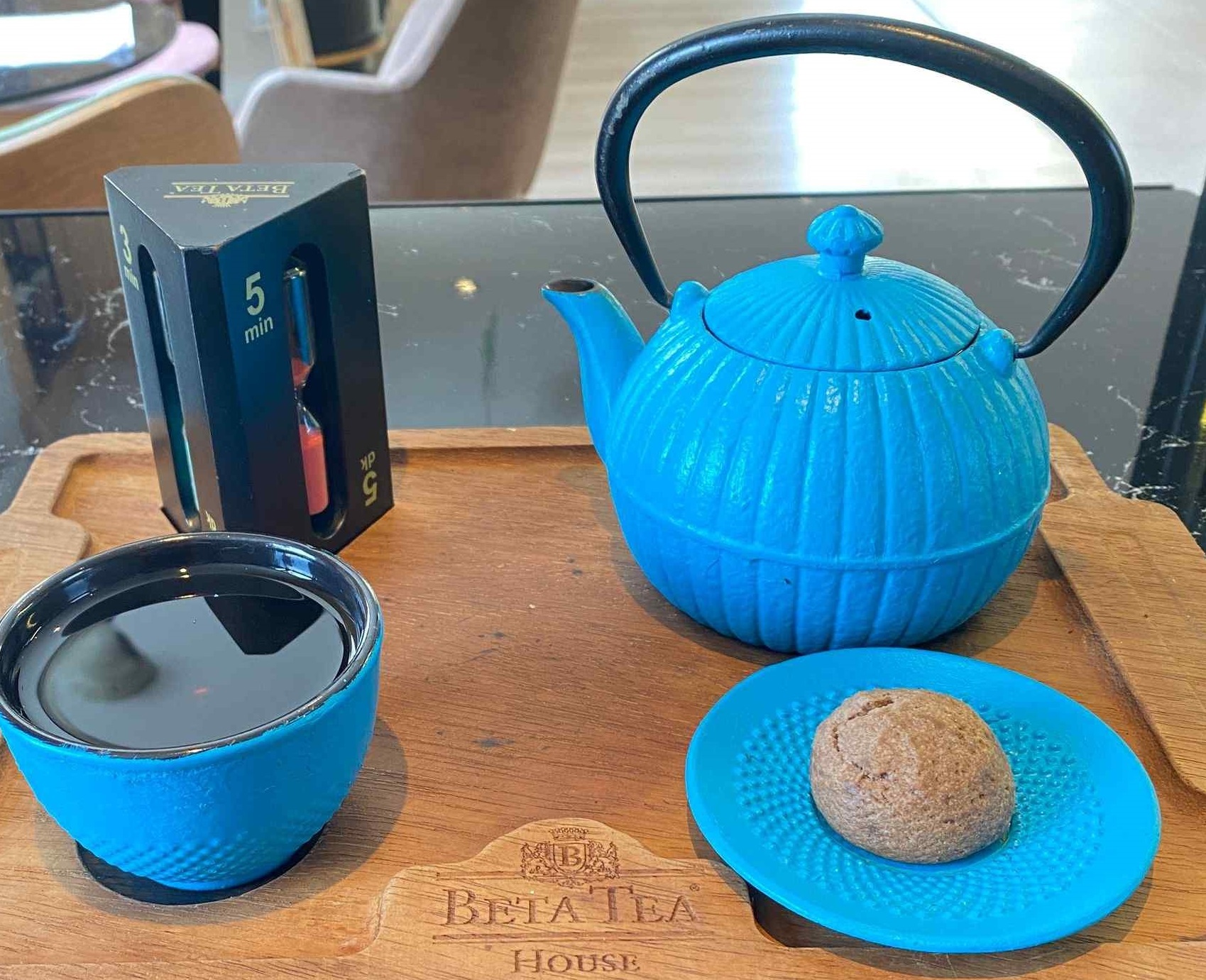
Gaban Oolong tea has a more intense drink than other Oolong teas. It is recommended to be consumed without added sugar. Served in cast iron teapot. this
Ginseng-coated Oolong tea has a slightly sugary flavor. It is recommended to be consumed without added sugar. . Served in cast iron teapot.

Oolong tea, which takes its scent from jasmine flowers, has a yellow infusion color and a rich and fresh taste thanks to the tropical flowers it contains. It is recommended to be consumed without added sugar.
It is Oolong tea obtained with a light cream and milk flavor by keeping it in milk steam. It is recommended to be consumed without added sugar. Served in cast iron teapot.
It has a refreshing flavor formed by combining oolong tea with plant particles and lemon. It is recommended to be consumed without added sugar. Served in cast iron teapot.
The characteristic soft drink of Bai Mu Dan white tea, with its light green infusion color, offers a fresh tea pleasure. It is recommended to be consumed without added sugar. It is served in a glass teapot.
The characteristic soft drink of Bai Mu Dan white tea is flavored with natural rose petals and rose aroma. It is recommended to be consumed without added sugar. It is served in a glass teapot.
The characteristic soft drink of Bai Mu Dan white tea is flavored with the aroma of bergamot. It is recommended to be consumed without added sugar. It is served in a glass teapot.
It is one of the rarest teas produced by collecting the freshest sprouts of the tea leaf one by one and drying it specially, and offers a soft drinking pleasure. It is recommended to be consumed without added sugar. It is served in a glass teapot.
Yellow Tea, which has a light infusion color, has a soft drink. It is recommended to be consumed without added sugar. It is served in a cast iron teapot.

Bilgilendirme
Kategori Hakkında Bilgi
Oolong, çay işlemede gerçek bir zanaatkar ustalığını temsil eder. Bir oolong çayının görünümü, şekli ve tadı, yetiştirildiği bölgeye ve nasıl işlendiğine bağlı olarak çılgınca değişebilir. Oolong'un kökenleri hem Çin'de hem de Tayvan'da iddia ediliyor ve çay bugün her iki ülkede de hala büyük saygı görüyor. Bir hikaye, Çinlilerin, yoğun bir şekilde oksitlenmiş ve mistik Çin ejderhasına benzeyen şekillere bükülmüş büyük koyu çay yapraklarına "wulong" veya "siyah ejderha" adını verdiğini iddia ediyor. Başka bir hikaye, oolong çay tarzını tesadüfen keşfeden Wu Liang (daha sonra Wulong olarak kısaltılmıştır) adlı bir çay çiftçisinin hikayesini anlatır. Çiftçi, çay toplamakla geçen uzun bir günün ardından dikkati dağıldı ve solmakta olan çay yapraklarına geri döndüğünde, zaten oksitlenmeye başladıklarını keşfetti. Hangi hikayeye inanırsanız inanın, en ünlü Çin oolonglarının yüksek dağlık bölgelerde, kayalık arazilerde ve serin havalarda yetiştirildiği doğrudur. Bu oolonglara ünlü oldukları zengin lezzeti veren eşsiz coğrafyası ve sert ortamıdır. Tayvan'ın en ünlü oolongları geleneksel olarak daha az oksitlenir (%10 ila %40) ve bu nedenle Çin oolonglarından daha yeşil renkte ve daha hafif lezzette olma eğilimindedir. Ülke genelinde üretilen oolong çeşitleri, Fransa'dan çıkan şaraplar kadar çeşitlilik göstermektedir. Bazı oolonglar küçük sıkı toplar halinde yuvarlanırken, diğerleri uzun yapraklı iplikler halinde bükülür. Bazıları uzak sisli dağlarda yetişirken, diğerleri ılıman bambu ormanlı eteklerinde gelişir. Bazıları çiçekli otsu bir tat için ilkbaharda koparılırken, diğerleri kışın toplanır ve doyurucu bir odunsu lezzet için kavrulur. En ünlü oolonglar Çin ve Tayvan'da ortaya çıkarken, bugün dünyanın diğer bölgelerinde farklı oolong stilleri yapılmaktadır. Hindistan, Sri Lanka, Japonya, Tayland ve Yeni Zelanda, dünyanın bazı oolong çaylarını üreten ülkelerden sadece birkaçıdır.
 Our meals and drinks in our menu may contain the following allergen products:
Milk and dairy products (including lactose), eggs and egg products, sesame seeds and sesame seed products, walnuts, hazelnuts, peanuts and peanut products, cashews, pistachios, celery, mustard and mustard products, sulphur dioxide and sulphites.
Warning: Babies under 1 year of age should not be fed honey.
